
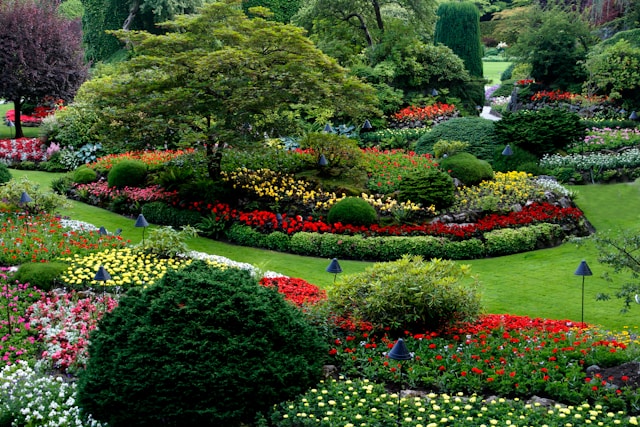
The quest for a sustainable outdoor space is more than just a design choice; it is a commitment to preserving our environment. Sustainability in landscaping is about adapting techniques that foster conservation and biodiversity while reducing environmental damage through minimal use of non-renewable resources and reducing waste and pollutants. It reflects a comprehensive understanding of the environment and how different elements of an outdoor space can coexist in balance with nature, promoting ecosystem health.
Sustainability is a word that resonates across industries, influencing how we live and interact with our environment. Within the home improvement and lifestyle domain, sustainable landscaping stands out as an endeavor with a growing chorus of advocates. It’s a method that turns yards into ecosystems, emphasizing the harmony between nature and our living spaces. Such an approach requires unique skills and knowledge, frequently sought after by local experts providing landscape services Memphis TN. These experts can integrate environment-friendly designs with your outdoor space, creating areas that are both beautiful and beneficial to the planet.
The Advantages of Gardening with Native Plants
Sustainable landscaping is based mainly on the utilization of native species. They play a crucial role in conserving water, minimizing maintenance, and providing food and shelter for local wildlife. Native plants have acclimated to the local climate and soil conditions. Hence, they’re naturally more resilient to pests and diseases peculiar to their regional habitat. Integrating native flora into garden design contributes to preserving the local plant diversity, encouraging pollinator activity, and controlling erosion. The home and any visiting animals will benefit from a healthier outdoor environment when native plants are used in the garden, which can lower the need for pesticides and fertilizers.
Strategies for Effective Water Conservation
In regions where water is a precious commodity, sustainable landscaping emphasizes water conservation strategies that can significantly impact water use. Xeriscaping—an approach that involves selecting plants that require little water—is a popular choice for arid regions. Efficient irrigation techniques, such as installing a rain garden to capture runoff, using mulch to reduce evaporation, and applying water only when necessary, contribute to water conservation. Smarter watering systems, designed to adjust based on real-time weather conditions, significantly reduce water wastage. Water-wise gardens serve to conserve a vital resource and create self-sustaining ecosystems that require less intervention once established.
Sustainable Materials and Design Choices
Choosing suitable materials is as important as plant selection in creating a sustainable landscape. Eco-friendly materials such as reused or recycled content for patio furniture, fences, and compost bins have a lower environmental impact and add sustainable charm to a garden. Designs that maximize natural light and incorporate rainwater runoff into watering plans contribute further to the landscape’s sustainability. By making these choices, one can reduce the carbon footprint of a garden, contribute to waste reduction, and achieve a landscape that is not only aesthetically beautiful but also responsibly crafted.
Innovative Landscaping Techniques and Trends
Advancements in sustainable landscaping continue to introduce new methodologies and trends. Techniques such as vertical gardens or green walls are gaining traction for their ability to bring lush greenery to urban spaces where traditional gardens might not be feasible. Sustainable landscaping is also making strides with technological innovations such as solar-powered landscape lighting and smartphone-controlled irrigation systems that make managing a green space more efficient. These innovations are changing the face of gardening, making it more accessible and environmentally conscious. Garden owners may embrace techniques that reduce their environmental effects while still enjoying the advantages of a lovely, natural place by being more knowledgeable about these activities.
Building a Landscape That Thrives: Maintenance Tips
A sustainable landscape requires commitment, but the care involved can be simple. Opting for slow-release organic fertilizers, encouraging beneficial insects and pollinators by planting diverse species, and reducing lawn areas can significantly reduce maintenance requirements. Eco-friendly landscaping also advocates for practices such as mulching with organic matter to retain soil moisture and hand-pulling weeds to reduce the reliance on herbicides. By incorporating these tips into everyday gardening practices, homeowners can maintain their outdoor space in ways that fortify the landscape’s integrity and contribute positively to its surroundings.
Conclusion: Embracing Sustainable Landscaping
Transitioning to sustainable landscaping is a journey of transforming an area in a way that considers the environment. Our efforts to design environmentally sensitive outdoor areas pay off, as gardens flourish with less maintenance and more enjoyment. Knowing that our personal choices positively influence the larger environmental picture can be tremendously gratifying. By selecting locally appropriate plants, conserving water, using sustainable materials, and adopting innovative techniques, we lay down roots for a landscape that is not merely an aesthetic feature but a living, breathing ecosystem. It’s a change that comes with the understanding that each small effort contributes to the well-being of our environment, ensuring it remains vibrant and sustainable for future generations.