

Key Takeaways
- Probation in Colorado serves as an alternative to incarceration, emphasizing rehabilitation and reducing recidivism.
- Types of probation include supervised, unsupervised, intensive supervision, and shock probation, each suited for different levels of offender risk and need.
- Strict conditions and requirements attach to probation, with violations potentially resulting in incarceration.
- Deferred sentences offer a second chance by allowing eligible offenders to avoid a conviction if they complete probation.
Table of Contents
- Understanding Probation in Colorado
- Types of Probation in Colorado
- Conditions and Requirements of Probation
- Probation Statistics and Supervision in Colorado
- Recidivism and Probation Success Rates
- Deferred Sentences and Probation
- Conclusion
Understanding Probation in Colorado
Probation in Colorado is a legal status that permits individuals convicted of crimes to remain within their communities rather than serve time in jail or prison. The court imposes specific conditions designed to supervise, rehabilitate, and support responsible behavior and public safety. Probation offers significant advantages, providing individuals with a structured environment where they can work, support their families, and participate in rehabilitation programs under court supervision. For more guidance on navigating probation cases and legal support, resources such as martinlawfirmpc.com can be helpful for anyone seeking defense representation or answers about the process in Colorado.
This shift from traditional incarceration to community-based supervision is a cornerstone of Colorado’s efforts to address crime without the damaging effects that jail sentences often inflict on families and communities. The probation system emphasizes ongoing assessment, personal accountability, and constructive change. Over time, it has proven to be an essential tool for reducing repeat offenses and promoting the successful reintegration of offenders into society.
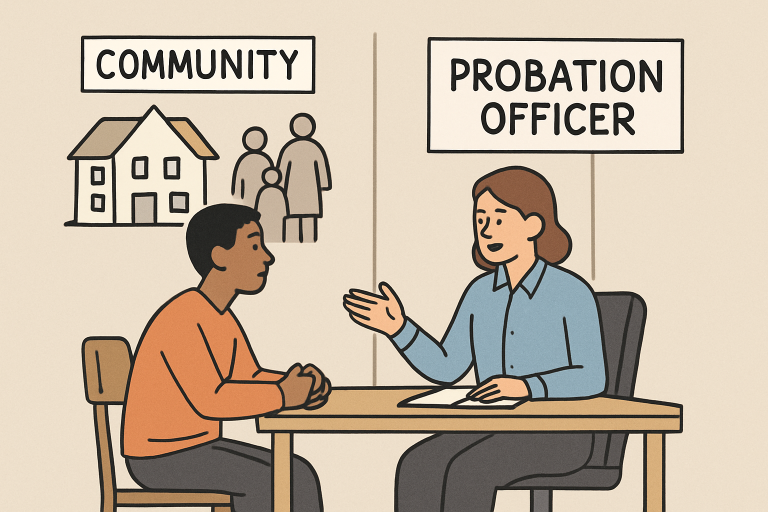
Probationers are supervised by experienced officers who provide more than simple monitoring. They offer resources, referrals to counseling, substance use treatment, and support services to address underlying factors that contribute to criminal behavior. Probation, therefore, not only helps reduce the burden on correctional facilities but also protects communities by actively supporting rehabilitation.
Remaining in the community enables probationers to maintain employment or educational pursuits and fulfill obligations to their families. This approach fosters restorative justice, prioritizing reform and community accountability over mere punishment.
Types of Probation in Colorado
Colorado courts tailor probation sentences to match the severity of the crime and the risk posed by the offender. The main types of probation include:
- Supervised Probation: This type involves regular contact with a probation officer. Offenders must comply with specific court-imposed conditions and participate in meetings that help track progress and ensure accountability.
- Unsupervised Probation: Reserved mainly for low-risk offenders, this requires the individual to complete specific terms without ongoing officer supervision. Compliance is checked periodically, usually through documentation or court updates.
- Intensive Supervision Probation (ISP): Geared toward high-risk individuals, ISP demands frequent meetings and check-ins, rigorous drug and alcohol testing, and strict curfews, along with additional program participation.
- Shock Probation: This combines a brief period of incarceration with probation, designed to deter future offenses by demonstrating the realities of jail while then offering the structure and support of probation.
Conditions and Requirements of Probation
Judged by their commitment to rehabilitation and public safety, Colorado courts outline comprehensive conditions for probationers. These commonly include:
- Regular check-ins with a probation officer
- Maintaining gainful employment, pursuing education, or both
- Submitting to drug and alcohol testing
- Staying within assigned travel restrictions and jurisdictions
- Complying with mandatory counseling, treatment, or community service
Failing to meet these requirements can lead to probation revocation, resulting in incarceration or heightened supervision. For more insights into the management of probation and its outcomes, you can visit the Colorado Judicial Branch’s Recidivism Reports.
Probation Statistics and Supervision in Colorado
As of June 2023, nearly 68,000 people were on probation within Colorado. This includes both adults and juveniles who are monitored by probation officers trained to provide oversight, support, and resources based on each individual’s assessed risk and personal needs. Officers employ validated assessment tools to ensure proper levels of supervision and to guide referrals to skill-building or rehabilitative programs. The state continues to evolve its systems as it learns more about what interventions reduce recidivism and support successful reentry.
Recidivism and Probation Success Rates
Over three years, Colorado’s recidivism rate is currently 28 percent, according to Colorado Public Radio. This means almost one in three individuals reoffend within that period after leaving custody or completing probation. In response, state and local agencies have launched workforce training programs and resource fairs to help individuals build skills and secure employment, thereby reducing their risk of future criminal activity.
Deferred Sentences and Probation
Not all probation sentences result in criminal convictions. Some eligible individuals may receive a deferred judgment and sentence. If they successfully follow all probation conditions, the original charge may be dismissed, allowing them to move forward without a conviction on their record. This approach prioritizes rehabilitation and recognizes the potential for positive change among first-time or low-level offenders. Additional details on deferred sentences and how they relate to Colorado’s diversionary policies can be found at Shouse Law Group.
Conclusion
The probation system in Colorado is structured to balance accountability and opportunity. By strictly supervising individuals while connecting them with treatment and support, the state helps many offenders avoid further legal troubles, rejoin their communities, and build more stable futures. Compliance with probation terms and active use of available resources can significantly improve outcomes for those navigating the criminal justice system.