
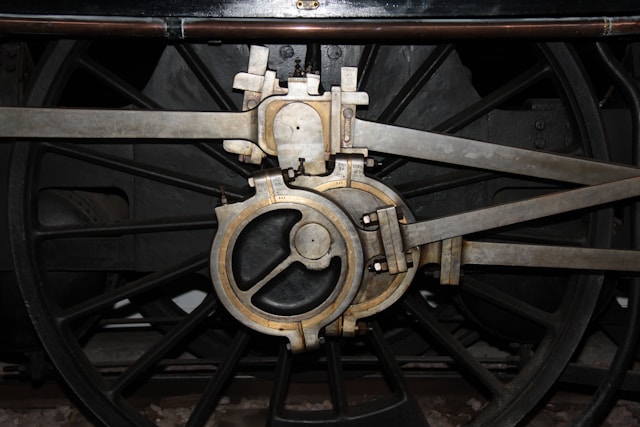
Bearings are essential mechanical components that reduce friction between moving parts, facilitating smooth and efficient motion in various machines. They come in different types, such as ball, roller, and thrust bearings, each suited for specific applications depending on load requirements, speed and precision. These components are critical in the automotive and aerospace industries, ensuring machines operate with minimal wear and energy loss. Custom bearings are sometimes developed to meet specific needs, particularly in specialized machinery or high-precision applications. For projects requiring special design requirements Danbury CT companies provide expert solutions tailored to unique operational demands.
Types of Bearings
Various kinds of bearings are utilized in industrial settings, with each type catering to specific needs and circumstances. Knowing the distinctions among these varieties can assist you in selecting the most fitting one for your requirements. Some of the most common include:
- Ball Bearings: These are the most widely used bearings, typically found in applications with light to moderate loads. They consist of steel balls that reduce friction between moving parts, allowing smooth, efficient operation. Ball bearings are standard in electric motors, gearboxes, and household appliances.
- Roller Bearings: These are suitable for heavy-load applications and offer a higher load capacity than ball bearings. Roller bearings utilize cylindrical rollers to maintain separation between bearing races, which helps handle large radial loads. They are frequently used in conveyors, large electric motors, and industrial machinery.
- Thrust Bearings: Thrust bearings are created to manage axial loads in automotive and marine applications by supporting rotational and linear movements in the axial plane. They efficiently support high-speed operations and are commonly found in automotive transmissions, ship propulsion systems, and aircraft landing gear.
Choosing the Right Bearing
Choosing the suitable bearing requires taking into account different factors that impact the performance and dependability of the machinery:
- Load Capacity: Identify the kind and size of the load that the bearing must be able to uphold. Ball bearings are often used for lighter loads, where the primary requirement is reducing friction. For heavier loads, roller bearings can handle more significant weight and perform better under stress.
- Speed: Assess the rotational speed of the application. High-speed applications may require unique materials and designs to prevent overheating and wear. Bearings designed for high-speed applications often incorporate advanced lubrication techniques and heat-resistant materials.
- Environment: Consider conditions like temperature, moisture, and exposure to contaminants. Bearings used in marine or chemical environments must be corrosion-resistant. Sealed bearings may be necessary to protect against dust and water ingress, ensuring long-term reliability even in harsh conditions.
Maintenance Tips
Maintaining bearings properly is crucial to their durability and efficiency during use. Here are some tips:
- Regular Lubrication: Use the correct type and amount of lubricant to prevent wear and tear. Lubrication helps to minimize friction, dissipate heat, and protect the bearing surfaces from corrosion. Some bearings are self-lubricating, while others may require periodic manual lubrication.
- Routine Inspections: Conduct periodic inspections to detect early signs of wear. Look for signs of lubrication breakdown, oxidation, or physical damage, which could indicate the need for maintenance or replacement. Detecting problems early can help avoid expensive repairs and downtime.
- Proper Installation: Ensure correct installation to avoid misalignment and uneven load distribution. Misalignment can result in early degradation and malfunction of bearings, resulting in equipment downtime and higher maintenance expenses. Following manufacturer guidelines during installation is crucial for optimal performance.
Common Industrial Applications
Bearings are used in various industrial applications, each with specific requirements that dictate the type of bearing used. Here are a few examples:
- Manufacturing equipment: Bearings in conveyor belts, assembly lines, and robotics are critical in maintaining smooth, efficient operations, reducing downtime, and prolonging machinery life.
- Automotive assemblies: Bearings are integral to wheel hubs, steering columns and engine components, providing smooth movement and reliability essential for vehicle safety and performance.
- Aerospace components: Aircraft engines, landing gear, and control systems rely on high-precision bearings to ensure safety and efficiency, often under extreme conditions and rigorous use.
- Maritime machinery: Bearings in ship propulsion systems, cranes, and deck equipment must withstand harsh marine environments, requiring high corrosion resistance and robust construction for long-lasting performance.