
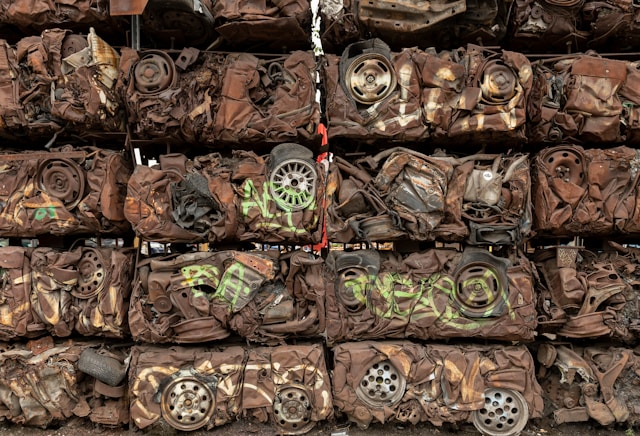
Reusing scrap metal is not simply a fad; it is crucial for minimizing environmental waste and preserving natural resources. By recycling metals like steel, aluminum and copper, we cut down on the need for mining, which helps preserve ecosystems and reduces greenhouse gas emissions. Additionally, scrap metal recycling significantly reduces energy consumption compared to producing new metal from raw materials. This activity helps the environment and supports a circular economy by reusing materials instead of throwing them away. For those needing recycling solutions, scrap cars Morris County NJ, offer a convenient and sustainable way to dispose of old vehicles, ensuring that valuable metals are repurposed efficiently.
Why Recycle Scrap Metal?
Reusing scrap metal is crucial for minimizing waste and preserving resources. Saving up to 95% of the energy needed to make new metal from raw materials can reduce greenhouse gas emissions and landfill waste. Recycling helps to preserve materials like iron ore, coal, and limestone. Moreover, recycling helps decrease the demand for energy-intensive and environmentally harmful mining operations, ultimately reducing environmental degradation and habitat destruction.
Common Types of Scrap Metal
Understanding the different types of scrap metal can help you better decide how to repurpose them. Here are some common types:
- Aluminum: Lightweight and corrosion-resistant, making it ideal for various projects. From soda cans to window frames, aluminum is abundant and easy to work with.
- Copper: Famous for its exceptional thermal and electrical conductivity. It is commonly found in plumbing, electrical wiring, and electronic devices. Its distinct reddish-brown color makes it popular in artistic and decorative projects.
- Steel: Strong and versatile steel is used in construction, automotive industries, and household appliances. It is readily available and can be recycled multiple times without losing quality.
- Brass: Easy to machine and corrosion-resistant, brass is often used in fittings, locks, gears and musical instruments. Its gold-like appearance adds an aesthetic appeal to various DIY projects.
Knowing what scrap metal you have can help you determine the best way to repurpose it. Each type has unique properties that make it suitable for specific applications, so it’s worth taking the time to identify and sort your materials properly.
Creative Ways to Repurpose Scrap Metal
The possibilities for repurposing scrap metal are endless, from DIY projects to practical household items. Here are some creative ideas to get you started:
- Furniture: Create unique pieces like a metal frame table or a vintage chair. Metal furniture is durable and can add a modern, industrial touch to your home décor.
- Art Sculptures: Turn scrap metal into stunning art pieces for your home or garden. Use old metal parts to create abstract and figurative sculptures that serve as conversation starters.
- Garden Décor: Use old metal tools to create rustic garden decorations. Items like wind chimes, planters, or garden stakes can uniquely charm your outdoor space.
- Storage Solutions: Make durable and stylish storage bins or racks. Metal storage solutions are functional and add a touch of elegance to organizational spaces.
Don’t limit yourself to these ideas; the potential for creativity is boundless. Scrap metal can be transformed into many other functional and decorative objects. The key is to see beyond the obvious and let your imagination guide you.
Economic and Environmental Benefits
Recycling scrap metal offers many economic and environmental benefits. It creates jobs, boosts local economies by promoting sustainable practices, reduces mining, conserves natural resources, and decreases pollution, making it a more sustainable practice for both communities and individuals. Selling scrap metal can also provide extra income for individuals and businesses. Additionally, recycling stabilizes raw material markets by providing companies with high-quality, recycled metals at lower costs than newly mined materials, thus reducing production costs.
Steps to Start Recycling at Home
Starting a recycling program at home is simpler than you think. Here are some steps to follow:
- Sort Your Materials: Separate your scrap metal from other recyclables. Categorize metals by type, such as aluminum, copper, steel, and brass.
- Clean the Metal: Remove any non-metal attachments like plastic or wood. This step ensures that the scrap metal is ready for recycling or repurposing.
- Find a Local Recycling Center: Find nearby facilities accepting scrap metal. Verify the types of metals they take and any preparation requirements they might have.
- Repurpose When Possible: Before recycling, consider whether scrap metal can be used for a DIY project. Sometimes, the best way to recycle is to repurpose the material into something you can use or enjoy.
Implementing these measures can aid in creating a schedule for recycling leftover metal at your residence. By implementing these easy steps, you help support environmental sustainability while also potentially earning a profit or transforming waste into something valuable.