Key Takeaways:
- Wine tasting can be an enjoyable and educational experience for anyone willing to learn the basics.
- Understanding the different types of wines and tasting techniques can enhance your wine appreciation.
- It’s crucial to create an inviting ambiance and select a variety of wines for a well-rounded tasting experience.
Table of Contents:
- Why Wine Tasting?
- Understanding the Types of Wine
- Mastering the Art of Tasting
- Setting the Right Ambiance
- Food and Wine Pairings
- Planning Your Wine Tasting Event
- Wine Tasting Etiquette
- Popular Wine Tasting Destinations
Why Wine Tasting?
Wine tasting is more than just a hobby; it is a sophisticated experience that engages all your senses. It allows you to explore different cultures, history, and artistry encapsulated in a bottle. If you’re new to wine tasting and looking for a starting point, resources are dedicated to helping enthusiasts like you learn about wine and spirits Chicago IL.
Partaking in wine tasting can also be a social activity, providing opportunities to meet new people and improve your palate. The more you engage in wine tasting, the more refined your taste buds become, allowing you to distinguish subtle nuances in the wines you sample. Understanding and appreciating the craft can make the whole experience more rewarding and educational for beginners.
Understanding the Types of Wine
Diverse types of wines—reds, whites, rosés, and sparkling—each offer unique flavors, textures, and aromas. Knowing these differences can substantially enhance your tasting experience. For instance, red wines often have bolder, more intense flavors compared to white wines, which are typically lighter and crisper. Rosé wines offer a delightful middle ground, combining the qualities of both red and white wines, while sparkling wines like Champagne add enthusiasm to the tasting experience.
Organizations offer valuable insights into the variety of wines available, helping you understand what makes each type unique. From full-bodied reds like Cabernet Sauvignon to delicate whites like Sauvignon Blanc, each wine type offers a different experience. Understanding these differences can significantly heighten your appreciation and enjoyment of wine tasting.
Mastering the Art of Tasting
The five S’s of wine tasting—See, Swirl, Sniff, Sip, and Savor—are essential masterable techniques. These steps help you to appreciate the complexity and subtleties of each wine. When you “See” the wine, observe its color and clarity. A wine’s hue can tell you a lot about its age and origin. “Swirling” releases the wine’s aromas, which you then “Sniff” to identify its bouquet. This step engages another sense, bringing more depth to the experience.
Taking a “Sip” allows you to taste the wine, and finally, you “Savor” the overall experience by noting the wine’s finish and how long its flavor lingers in your mouth. Resources provide excellent guides and tips for a deeper dive into these techniques. Intentionally practicing these steps can turn a casual drinking experience into a thoughtful and memorable one.
Setting the Right Ambiance
An ideal wine-tasting ambiance involves appropriate lighting, minimal distractions, and a comfortable setting. This creates an environment where you can focus on the wine and enjoy the experience fully. Candles, soft music, and neutral table settings can help create a relaxed atmosphere. Above all, ensure the space is clean and uncluttered to avoid any distractions that might take away from the tasting experience.
Creating the right ambiance makes for a more enjoyable experience and helps focus our senses on the wine. Dim lighting enhances the mood, while soft background music can create a soothing environment conducive to relaxation and thoughtful tasting. This attention to detail can significantly elevate the overall wine-tasting experience.
Food and Wine Pairings
Pairing wine with the right food can elevate both the dish’s flavor and the wine. Understanding basic pairing principles, such as matching acidic wines with acidic foods and sweet wines with desserts, can make a significant difference. Cheese, fruit, and charcuterie are excellent compliments to most wines. For red wines, think of pairing them with red meats or rich, hearty dishes. Whites often go well with lighter fare, such as chicken or fish.
Exploring food pairings can be an exciting adventure. For example, a spicy dish paired with a slightly sweet wine like Riesling can create a perfect balance. Likewise, the high acidity in Sauvignon Blanc makes it an excellent match for dishes with fresh herbs or citrus. Experimenting with different combinations is part of the fun of wine tasting and can lead to some surprising and delightful discoveries.
Planning Your Wine Tasting Event
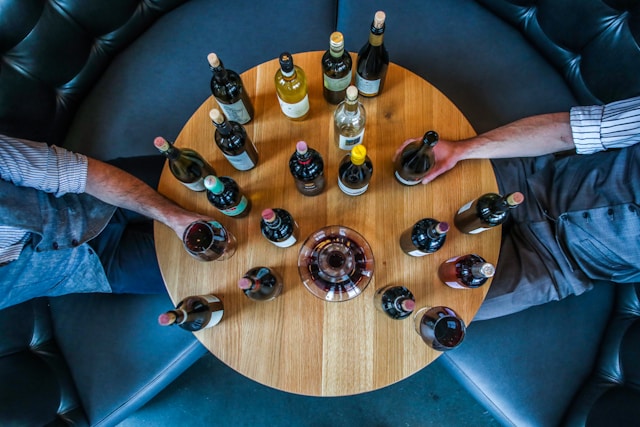
Organizing your wine-tasting event involves selecting various wines, sending out invitations, and preparing light snacks. This provides an excellent opportunity to share your newfound knowledge with friends and family. Consider a theme, like focusing on wines from a specific region, to make it more interesting. Make sure to include a mix of reds, whites, and sparkling wines to cater to different preferences.
Ensure you have enough wine glasses for each type of wine you plan to taste, and provide water and palate cleansers like plain crackers or breadsticks. Keep the gathering intimate to foster better conversation and a laid-back environment. Also, prepare some informative sheets or booklets that describe the wines you are tasting, enhancing the educational aspect of the event.
Wine Tasting Etiquette
Proper wine-tasting etiquette includes:
- Holding the glass by the stem.
- Refraining from wearing strong perfumes.
- Taking small sips to appreciate the wine’s flavor profile fully.
These etiquettes ensure a pleasant experience for everyone involved. Wearing strong scents can interfere with the ability to smell the wine, a critical tasting component.
When attending a wine-tasting event, be courteous to others by not monopolizing the host’s time and avoiding excessive talking while tasting. Engaging your senses and noting your impressions will make the event more fulfilling for you and others. Proper etiquette helps create a considerate and focused environment for all participants, enhancing the tasting experience.
Popular Wine Tasting Destinations
The most well-known wine destinations include Napa Valley, Bordeaux, and Tuscany. These regions are famous for their vineyards and rich wine-tasting experience. Exploring these destinations can provide context to the wines you taste and further enhance your appreciation. Each wine region has a unique history and tradition that influences its winemaking techniques and wine profiles.